My experience, what worked, and what didn’t:
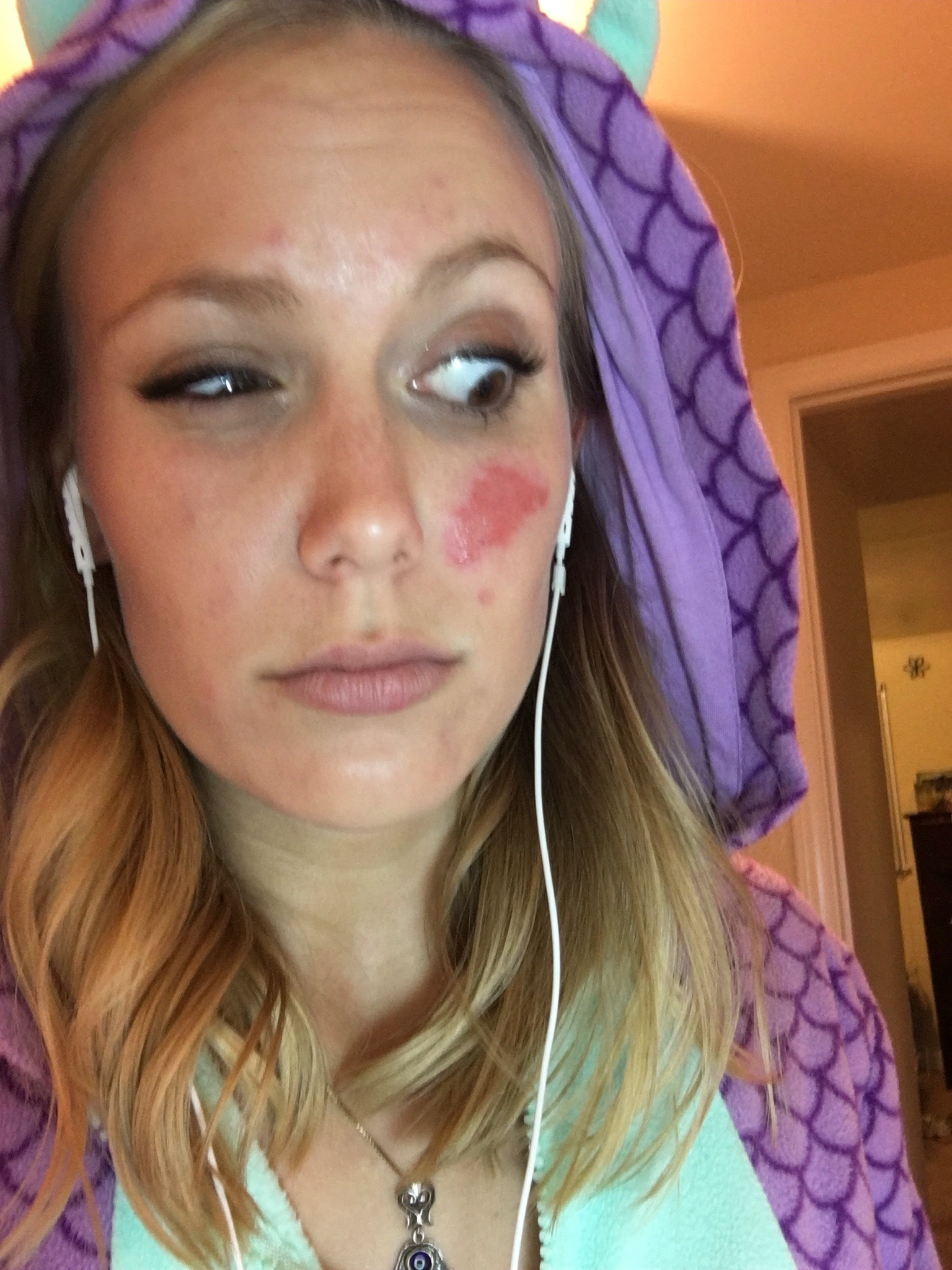
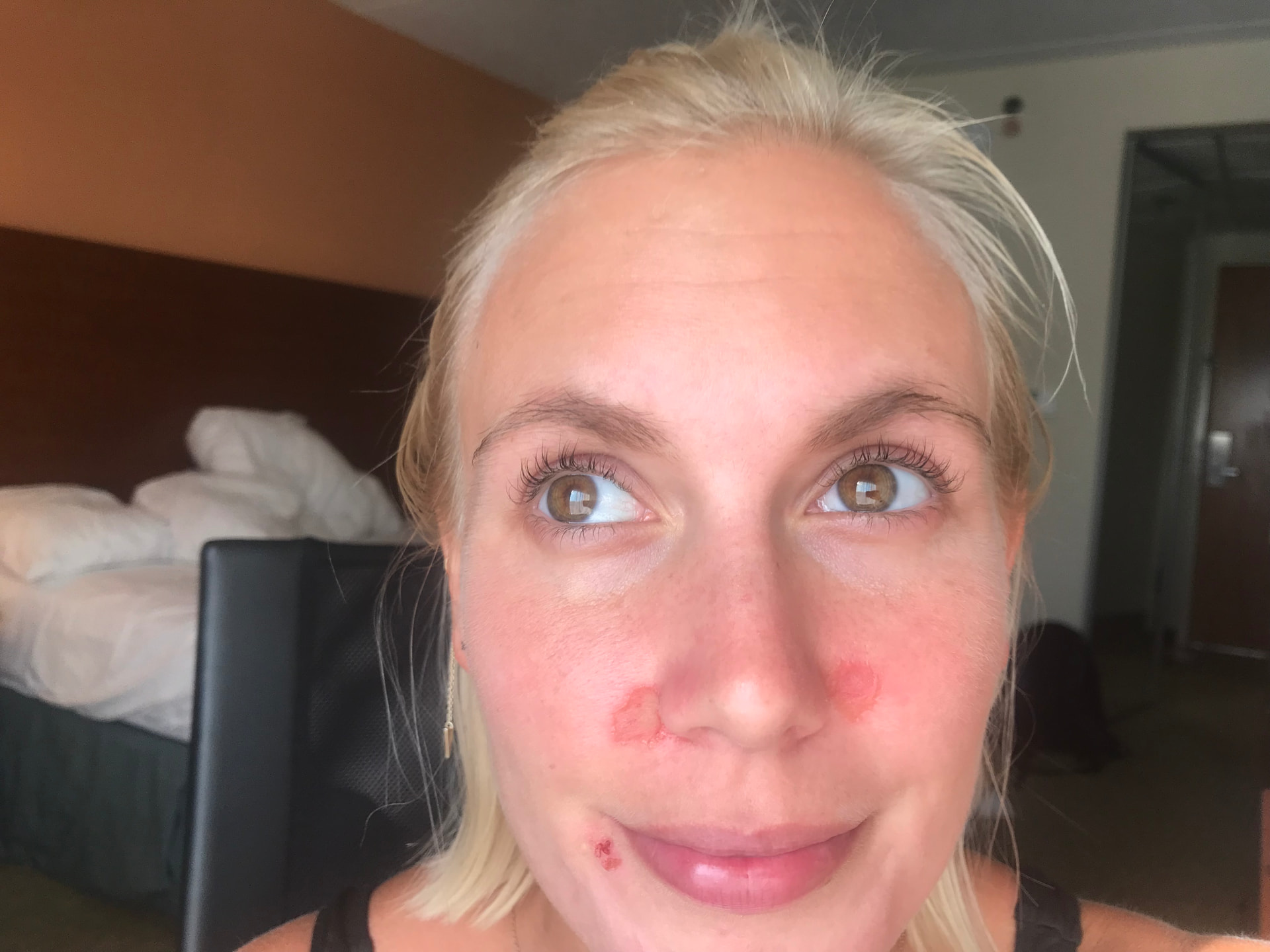
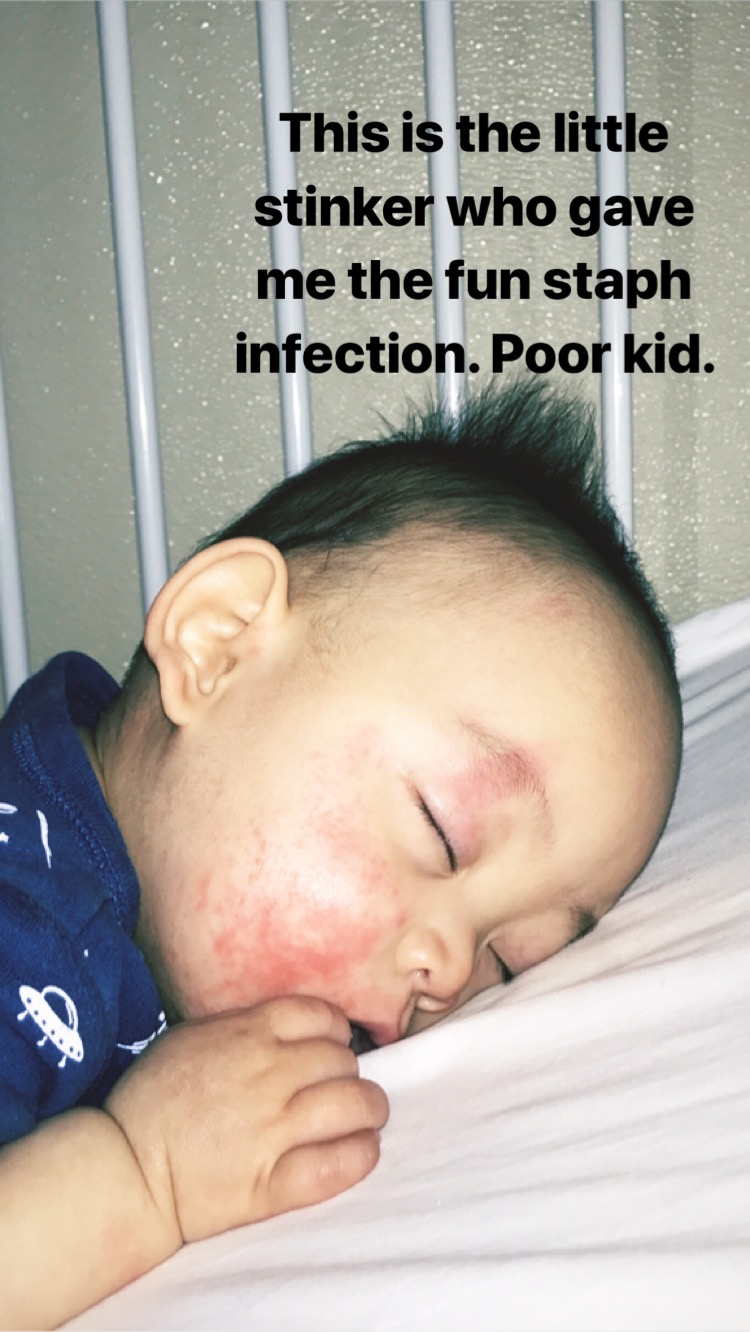
I first contracted impetigo in 2017 while working as an infant daycare teacher, likely from direct contact with a baby. What I assumed would be a short, treatable infection turned into years of chronic, recurring facial outbreaks.
Since then, I have seen multiple dermatologists and tried a long list of treatments. This includes numerous oral and topical antibiotics, repeated mupirocin cycles, and roughly two years total of isotretinoin (Myorisan/Accutane). I also received intralesional hydrocortisone injections early on, which significantly worsened my condition. Based on my experience, I would strongly caution against steroid injections in areas with active or recurring infection.
My outbreaks are almost exclusively limited to my face. They have never spread to the rest of my body or to other people. Over the years, I have lost large areas of facial skin during severe flares, though never all at once. Through a lot of trial and error, research, and careful wound care, I learned how to minimize scarring, and surprisingly I have very little permanent scarring today.
At times, I have gone months without a flare, but I have never been able to fully eliminate the condition. It always returns.
The hardest part: weeping lesions and yellow crusts
The most difficult aspect has always been managing fresh, weeping lesions. I tried everything I could think of early on, from natural remedies like fresh aloe to aggressive drying agents. What consistently made things worse was the painful yellow crust that forms as lesions dry. The crust cracks, bleeds, and often seems to trap or worsen the infection underneath.
Covering lesions also caused problems for me. Occlusion often made the infection spread or stay inflamed longer. This created a constant lose-lose situation: leaving it open led to painful crusting, while covering it seemed to encourage spread.
What I no longer believe this is
After years of dealing with this, I no longer believe this is “standard impetigo.”
Even if impetigo triggered the initial infection, chronic facial outbreaks that recur for years usually involve more complex mechanisms, such as:
• chronic staph or MRSA facial colonization
• a skin barrier that never fully recovers
• impetiginized versions of other underlying skin conditions
• biofilm-based bacterial behavior
• inflammatory or neuropathic drivers that recycle infection
• a nasal reservoir repeatedly reseeding the face
These patterns rarely respond long term to repeated antibiotics, mupirocin cycles, isotretinoin, steroid injections, aloe, or drying ointments. I know this because I tried all of them.
Adult recurrent impetigo that never fully resolves is usually not “just impetigo.” It behaves more like a cyclical ecosystem involving bacteria, a compromised barrier, and a persistent reservoir.
What finally started to make sense in my case
My pattern fits best with staph-driven biofilm behavior on a fragile facial barrier.
Some of the clues:
• lesions worsen under occlusion
• silver wound gel works when other ointments fail
• infection never spreads beyond my face
• steroid injections dramatically worsened flares
• isotretinoin never broke the cycle, suggesting this was not acne driven
Biofilms are rarely discussed in routine dermatology visits, but they matter. Biofilms allow bacteria to survive treatment, evade antibiotics, and reactivate after even minor barrier disruptions. This explains the recurring cycle of weeping, drying, cracking, and flare.
What has helped the most so far
What finally helped was shifting away from chasing each flare and toward managing the overall ecosystem.
For me, that has included:
• addressing nasal staph colonization under medical guidance
• using hypochlorous acid to lower bacterial load without damaging the barrier
• using silver wound gel on active, weeping lesions
• avoiding occlusion during active infection
• focusing on gentle barrier repair once skin is calm
This has not been a cure, but it has been the first approach that consistently reduced severity and frequency.
Why I’m sharing this
Reddit and patient forums have been the only places I’ve found other adults dealing with chronic facial impetigo or impetigo-like infections. Even when I don’t find new advice, knowing I’m not alone has helped immensely.
I am not offering medical advice. I am sharing lived experience, patterns I’ve noticed, and what helped and harmed me after years of trial and error. If this helps someone else feel less alone or avoid something that made things worse for me, then it’s worth sharing.
This is thoughtful, grounded, and genuinely valuable.